· 6 min read
Buying original art from abroad: what to expect
Authenticity, safe payment, shipping, customs and care — a practical guide for collectors acquiring a work from another country.
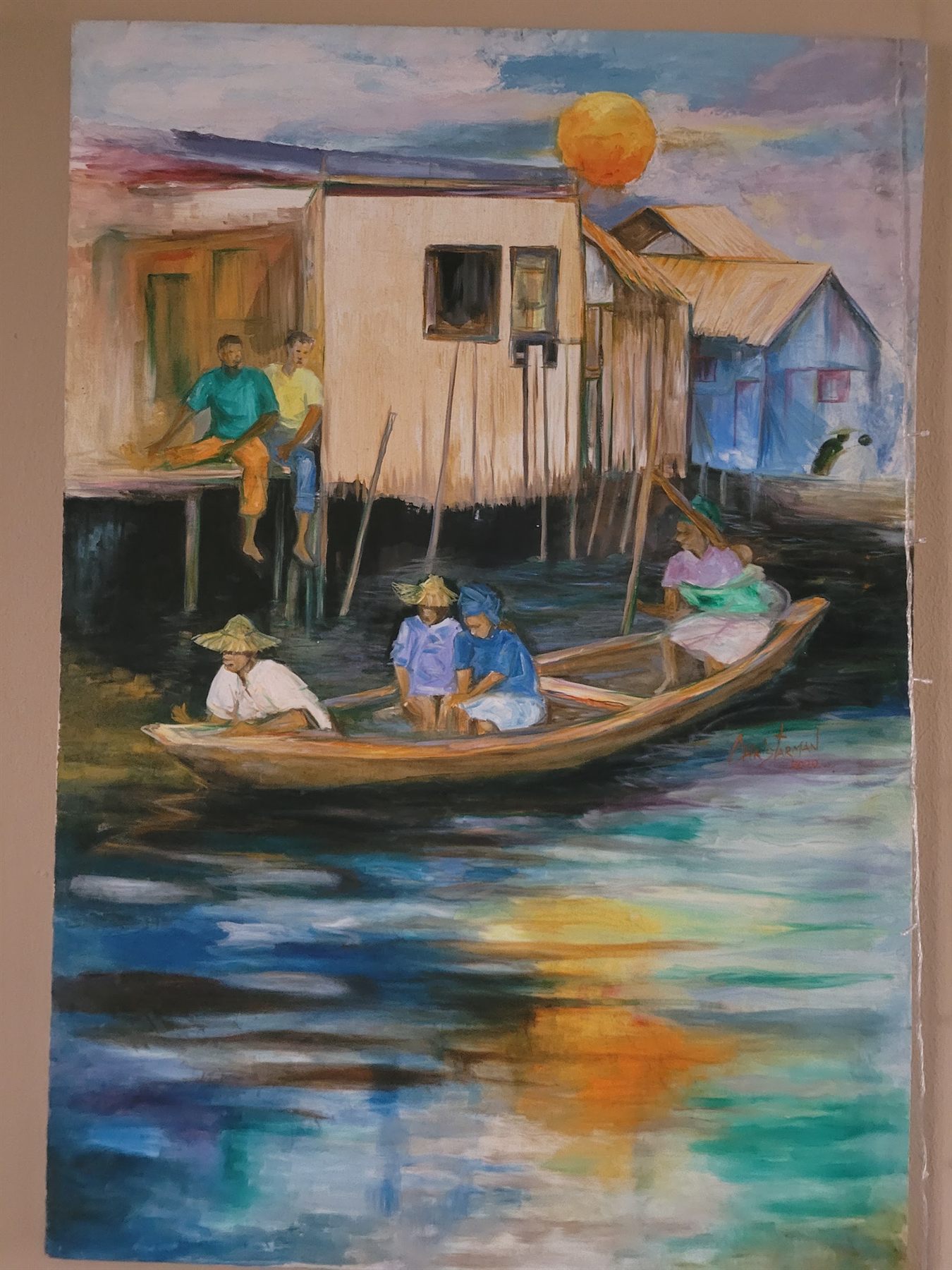
Buying an original work from an artist in another country is easier than ever — and it brings you art that you would never find in a local shop. A little knowledge makes the process straightforward and safe.
Know what you are buying
An original is a unique work made by hand: a painting, a drawing or a sculpture. A print or reproduction is a copy. Before acquiring, make sure the listing tells you:
- the title, medium and support — for example, oil on canvas or charcoal on paper;
- the dimensions, ideally in both centimetres and inches;
- whether it is signed, and where;
- whether it is offered framed or unframed.
If any of this is missing, ask. A reputable studio will gladly send extra photographs, a close-up of the signature or a short video of the work in daylight.
Authenticity and provenance
A certificate of authenticity records the work’s title, medium, dimensions and date, and confirms that it comes from the artist’s studio. Keep it with your purchase invoice: together they form the work’s provenance, which matters if you ever insure, lend, sell or pass on the work. Every original from this studio is signed and accompanied by a certificate.
Paying safely
Pay only against a written invoice from the artist or studio, and check that the payment details match the contact details published on the official website. Be wary of any message that changes payment instructions at the last minute, or that comes from a different email address or phone number. Never send card details by email or messaging apps. If in doubt, contact the studio through its published details before paying.
Shipping
Professional packing is what protects a work across continents. Drawings travel flat between rigid boards; canvases can be crated, or — for larger works — removed from their stretchers and rolled in a tube, then re-stretched by a local framer. Sculpture is crated. Choose insured shipping with tracking, and keep the packaging until you have inspected the work.
Customs and import duties
Many countries charge import duty or tax on artworks, and some treat original art more favourably than other goods. These charges are set by your country’s customs authority and are usually paid by the recipient on delivery. An accurate invoice and description from the studio help customs process the work quickly. If you are unsure of the rules where you live, your national customs website or a local shipping agent can tell you what to expect.
Framing
Framing at home is often the best choice for international purchases: the work travels lighter and with less risk of breakage, and you can choose a frame that suits your room. Charcoal and other works on paper need glass and a mount; paintings on canvas can be framed or hung as they are.
Caring for your work
- Hang works away from direct sunlight, radiators, fireplaces and damp walls.
- Keep a steady temperature and humidity where possible.
- Dust paintings gently with a soft, dry brush. Never use water or cleaning products.
- Handle works on paper by the edges, and keep them framed behind glass.
Begin your collection
Browse the collection and enquire about any work for its availability, dimensions and price, with delivery to your country. You can also read how acquiring works at the studio.