· 5 min read
Charcoal or paint? Choosing the medium for a portrait
Both can capture a likeness beautifully. The difference lies in mood, colour, framing and the room the portrait will live in.
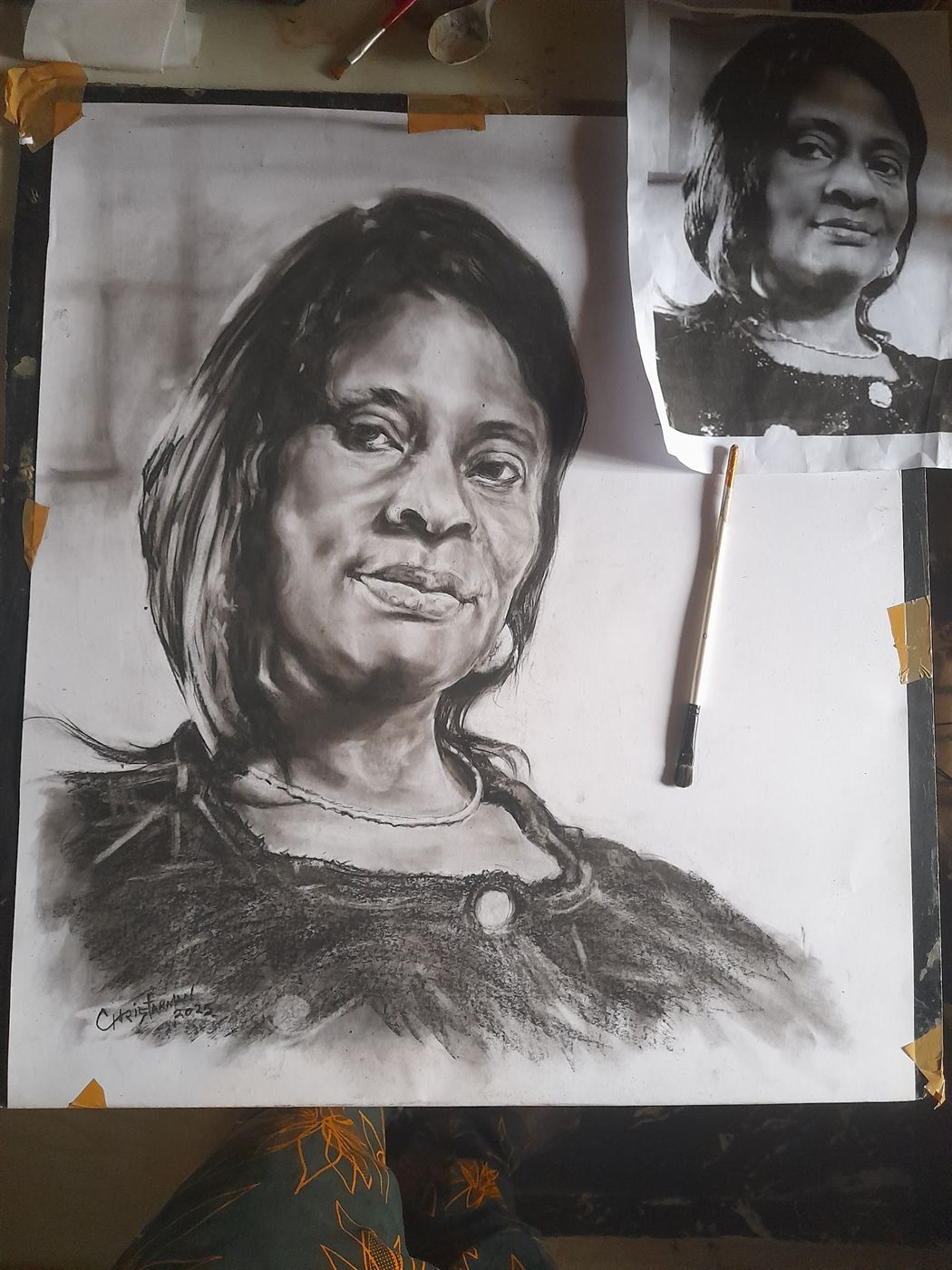
When you commission a portrait, the first real decision is the medium. Charcoal and paint can both produce a likeness of great depth — but they feel very different on the wall. Here is how to choose.
The case for charcoal
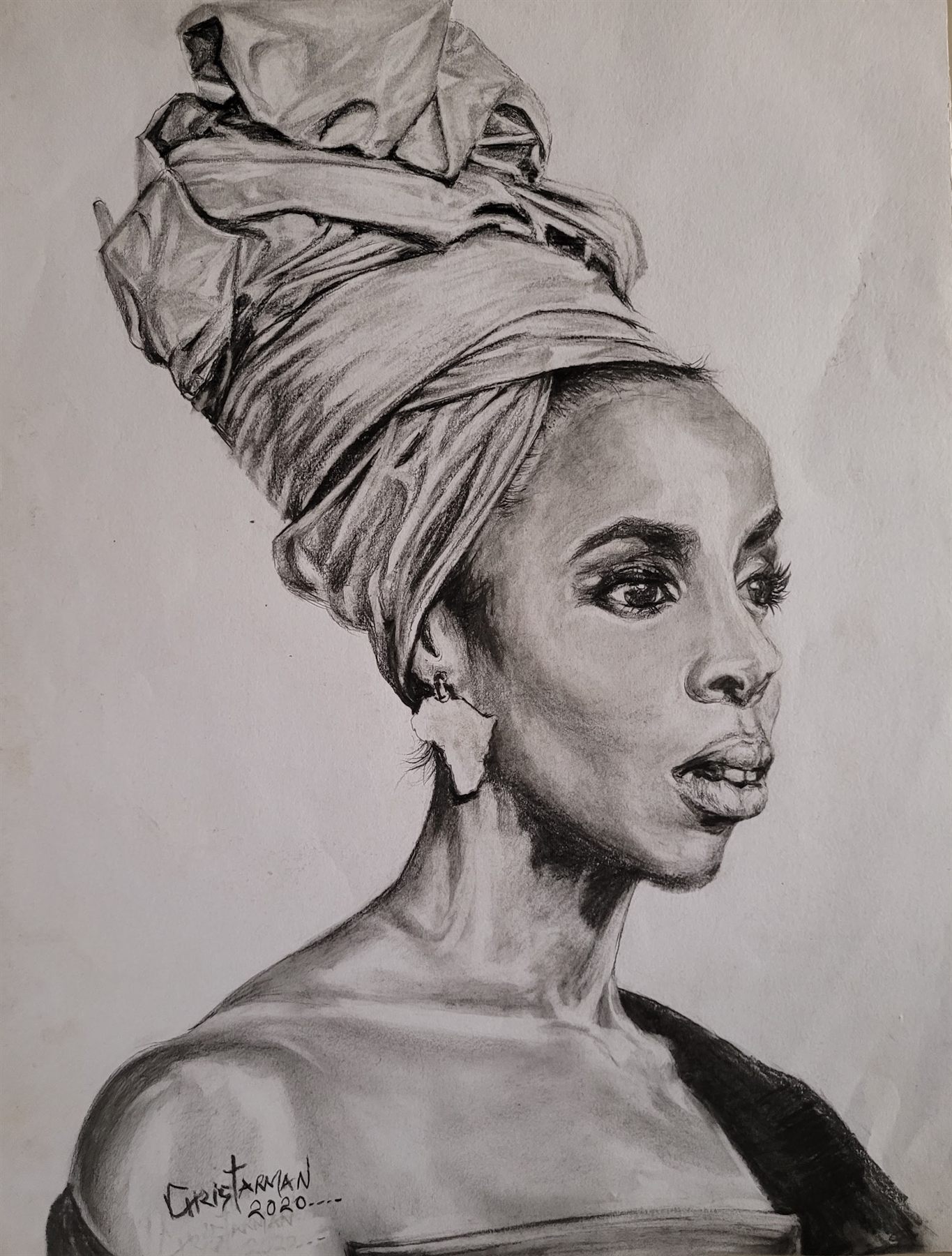
Charcoal is one of the oldest drawing media there is: burnt wood on paper. In skilled hands it produces an extraordinary range, from velvety blacks to the faintest silver greys, and light seems to rise out of the paper itself.
- Mood: dramatic, intimate and timeless. Black and white strips a portrait back to form, expression and character.
- Interiors: it suits monochrome, minimal and classic rooms, and sits comfortably beside photographs and other drawings.
- Subjects: it excels at faces, hands, texture — hair, beads, fabric — and at strong contrasts of light.
- Framing: a charcoal drawing must be framed behind glass, with a mount keeping the glass off the surface.
The case for paint
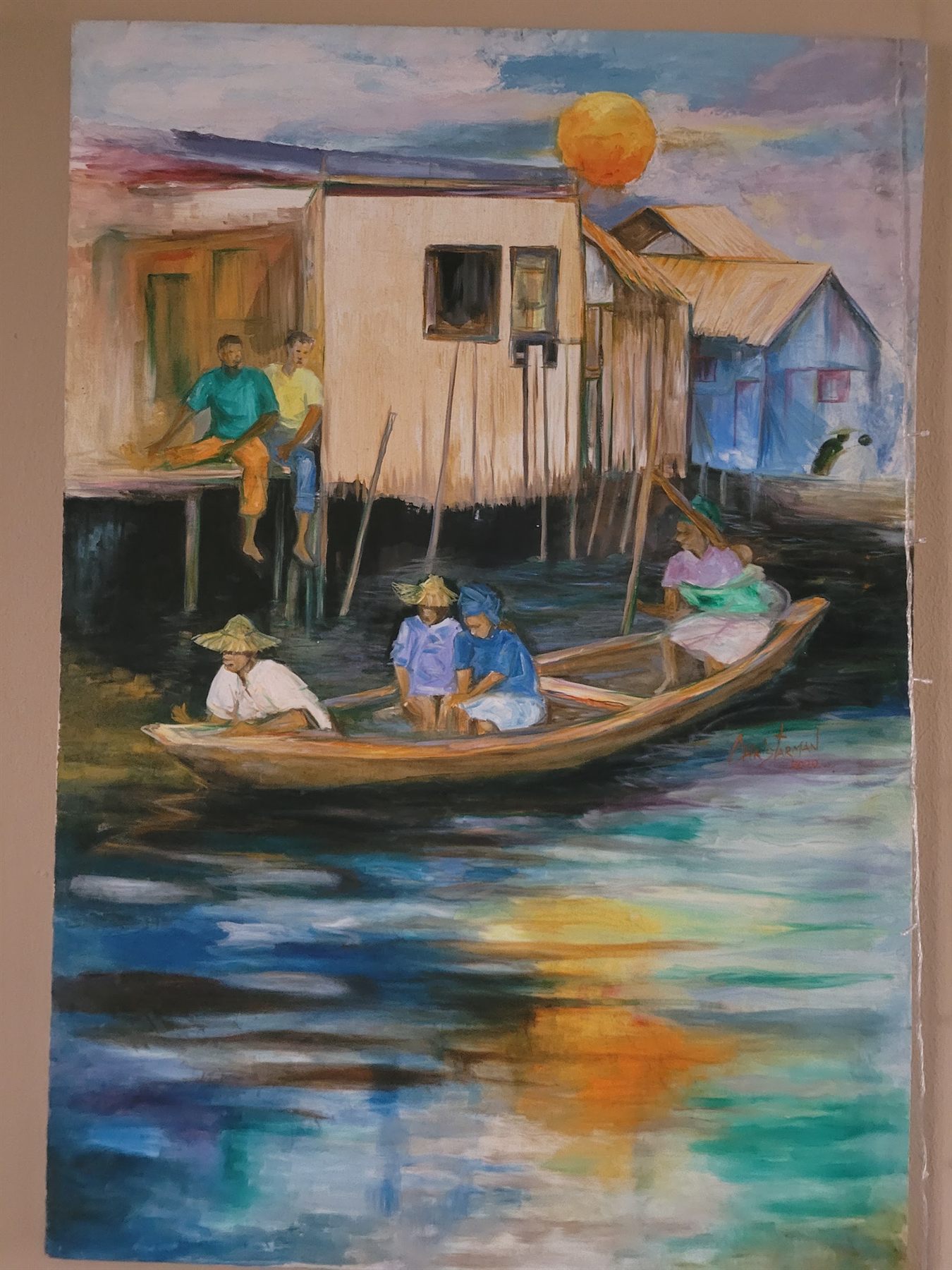
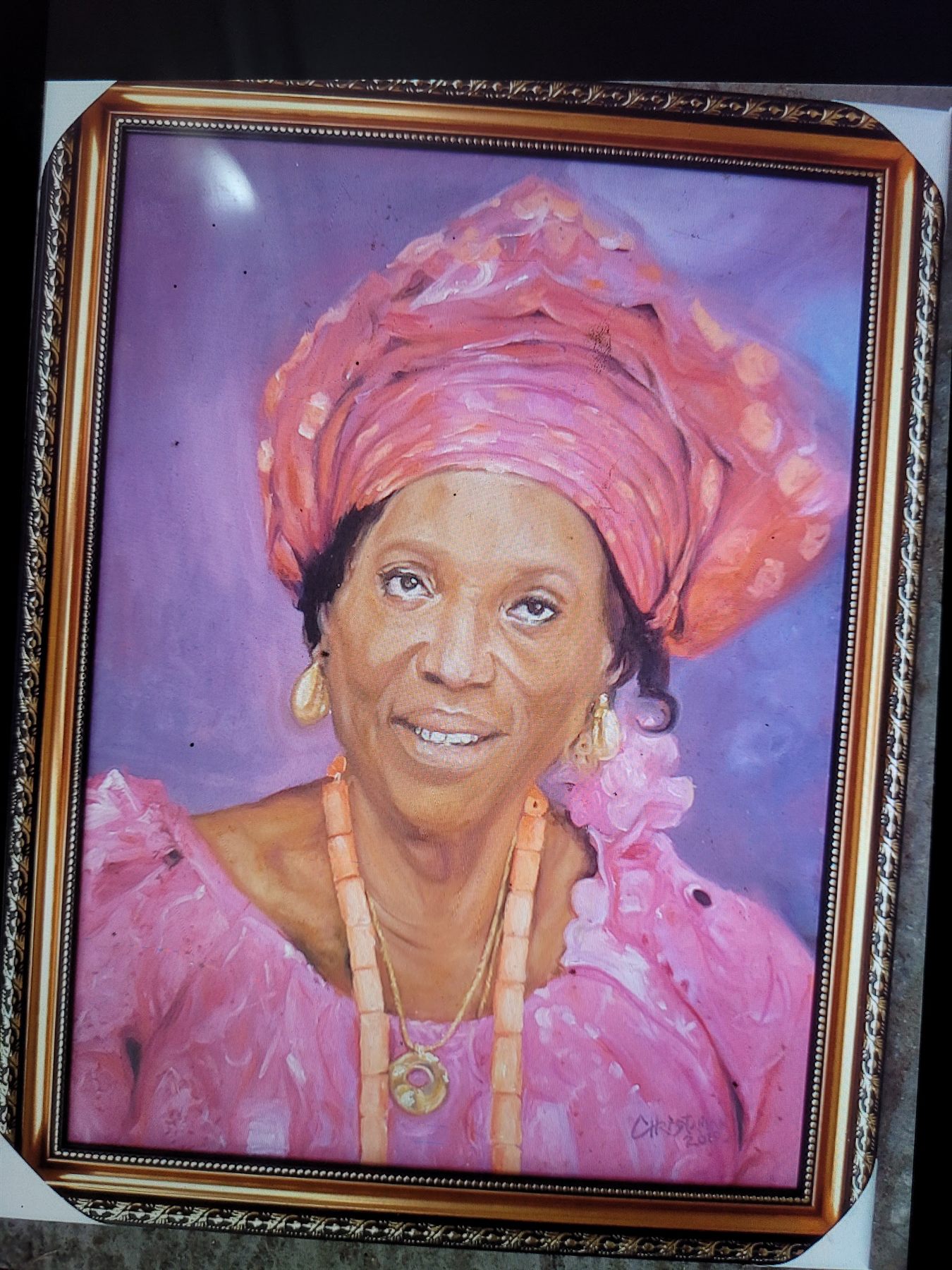
A painted portrait brings colour, warmth and physical presence. It can carry the exact shade of a gele, the gleam of coral beads or the blue of a ceremonial agbada, and it holds its own on a large wall.
- Mood: rich, celebratory and full of life. Colour can be used realistically or expressively.
- Interiors: it suits living rooms, offices and reception spaces where the portrait is a focal point.
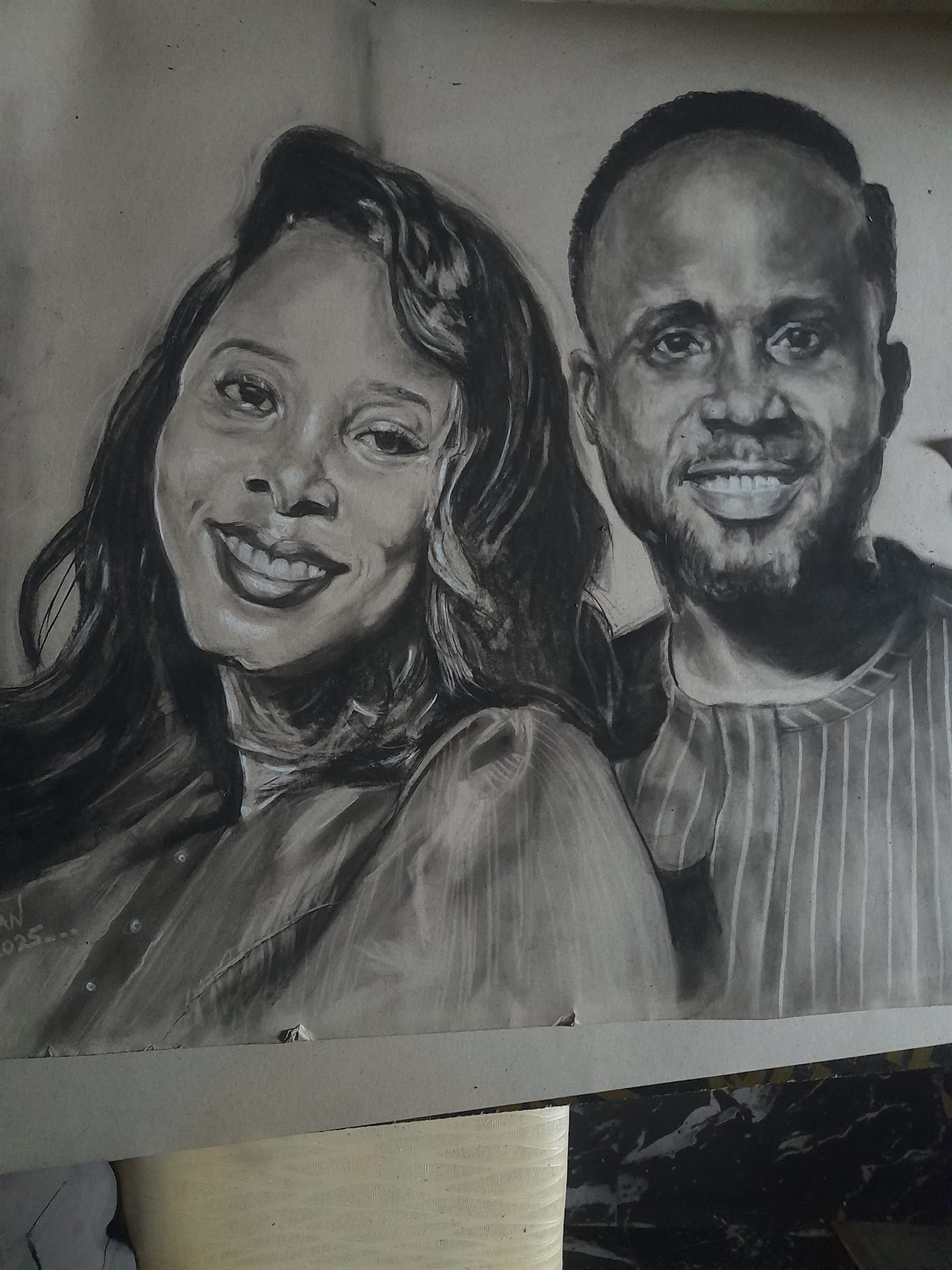
- Subjects: it excels at clothing, ceremony, skin tones and settings, and at larger family groups.
- Framing: canvas paintings do not need glass, and can be hung framed or unframed.
Side by side
- Colour: charcoal is monochrome; paint offers the full spectrum.
- Feeling: charcoal reads as intimate and classic; paint as warm and ceremonial.
- Glass: charcoal needs glazing; paint does not.
- Shipping: both travel well when properly packed. Drawings on paper are light; stretched canvases can also be shipped rolled and re-stretched locally.
- Longevity: both last for generations when kept out of direct sunlight and damp.
A simple way to decide
Picture the room where the portrait will hang. If the room is calm and neutral, or the portrait is one of several pictures, charcoal often looks the most refined. If the portrait should be the centre of the room, or colour carries meaning — the fabric of a family’s attire, the colours of an occasion — choose paint.
You do not need to decide alone. Send your photographs and a picture of the wall, and the medium can be discussed at consultation. See the charcoal works and portraits in the collection, or read how commissions work.